Stream & Earn Revenue From Your Video Content With 10+ monetization Models & 1000+ Features.
Book a Free DemoHow To Create a Video Subscription Platform In 2026?
 March 5th, 2026 Media & Monetization
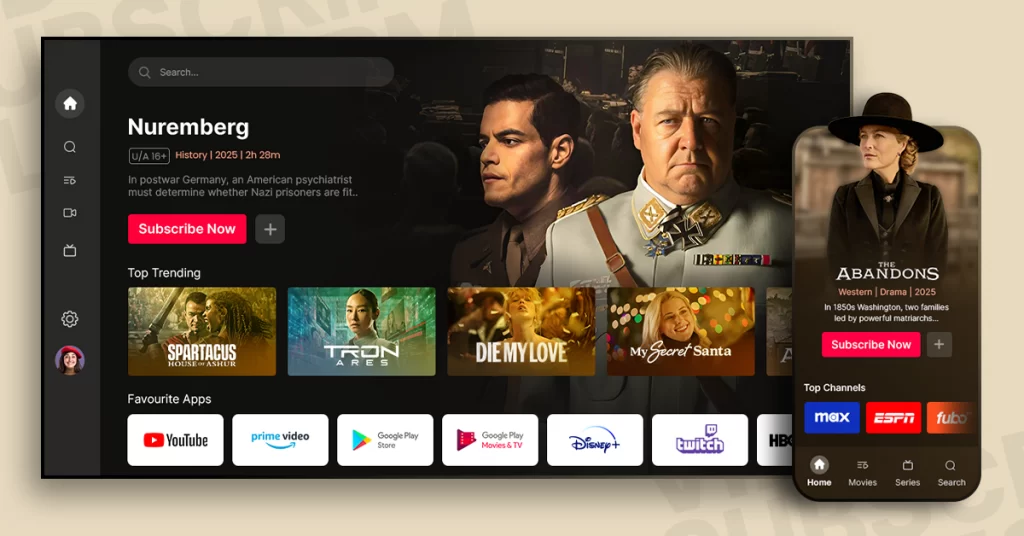
Subscription economy democratizes video content creators, as subscription video on demand (SVOD) holds 47% of the global revenue share in the market. From independent creators and fitness brands to enterprises, educators, and media companies, businesses are increasingly launching their video subscription platforms to monetize video content.
Creating this type of platform can successfully generate recurring revenue for video businesses, enabling them to focus on content creation while leaving monetization worries behind.
In this guide, we’re going to discuss how to create a video subscription website with the support of a white-label solution. We’ll go through the step-by-step process of setting up a video subscription website so you can implement it straightaway.
Table of Contents
What Is a Video Subscription Platform?
A video subscription platform is a streaming service that allows users to access video content by paying a recurring fee (monthly or annually). Instead of purchasing individual videos or watching ads, subscribers gain unlimited access to a library of on-demand content hosted and managed by the platform owner.
Video subscription platforms distribute video content directly to the intended audiences through web, mobile, or smart TV apps. Beyond streaming, a video subscription platform includes capabilities like content management, secure video hosting, subscription billing, user access control, and analytics. This model empowers content owners and broadcasters to build predictable recurring revenue while retaining full control over content distribution and monetization strategy.
Why Launch a Video Subscription Platform in 2026?
The way audiences consume videos has fundamentally changed. On-demand video is no longer limited to streaming giants or media conglomerates. Content creators, educators, and fitness enthusiasts build their own video streaming platforms to engage targeted communities.

In 2026, video has evolved from a marketing channel into a standalone digital product, enabling organizations to engage audiences more deeply while creating new revenue opportunities. One of the biggest drivers behind this shift is the growing need for audience ownership.
Relying on social or ad-supported platforms often means limited control over reach and monetization. Algorithm changes, platform policies, and revenue-sharing models can directly impact visibility and earnings. A dedicated video subscription platform, on the other hand, allows businesses to own their distribution, access first-party viewer data, and build long-term relationships with subscribers.
| Businesses Need | How SVOD Platforms Solve It |
| Stable revenue streams | Subscription-based recurring income |
| Audience ownership | Direct subscriber relationships |
| Brand differentiation | Custom-branded OTT apps |
| Content monetization | Flexible pricing & memberships |
| Viewer engagement | Personalized viewing experiences |
At the same time, viewer expectations continue to evolve. Audiences increasingly prefer ad-free viewing, personalized recommendations, and seamless access across mobile devices, web browsers, and smart TVs. Subscription platforms meet these expectations while offering a controlled, high-quality viewing environment.
As demand for owned, subscription-driven video experiences continues to grow, the next step is understanding how to plan, build, and launch your own video subscription platform effectively.
Important Considerations Before Building Your Video Subscription Platform
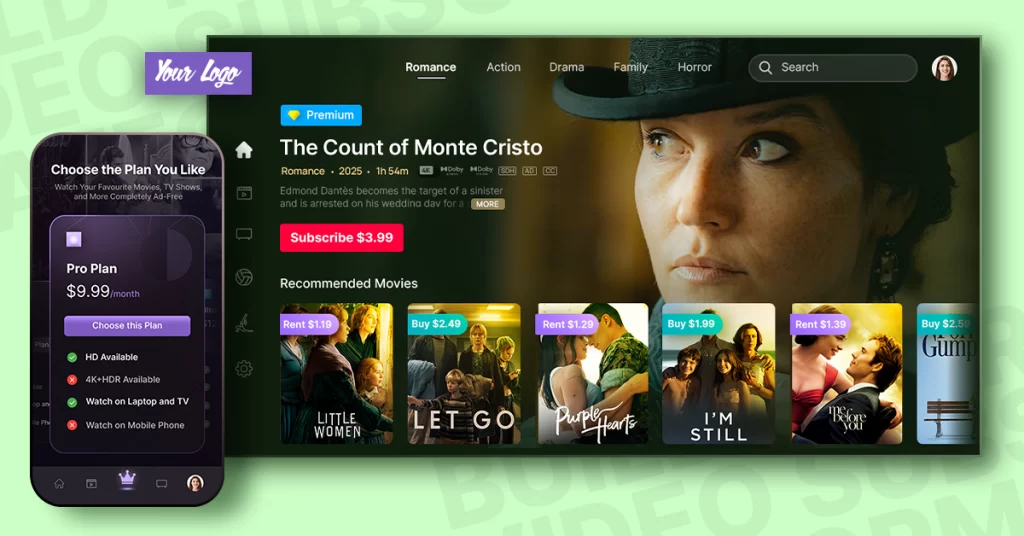
Step-by-Step: How To Create Your Video Subscription Platform (8 Steps)
Creating a video subscription platform involves identifying your niche audience, choosing a monetization model, and customizing the content strategy. Key steps include integrating a secure video paywall, a payment gateway mechanism, and creating a user-friendly interface for subscription management.
Let’s walk through the step-by-step process of creating a video subscription website:
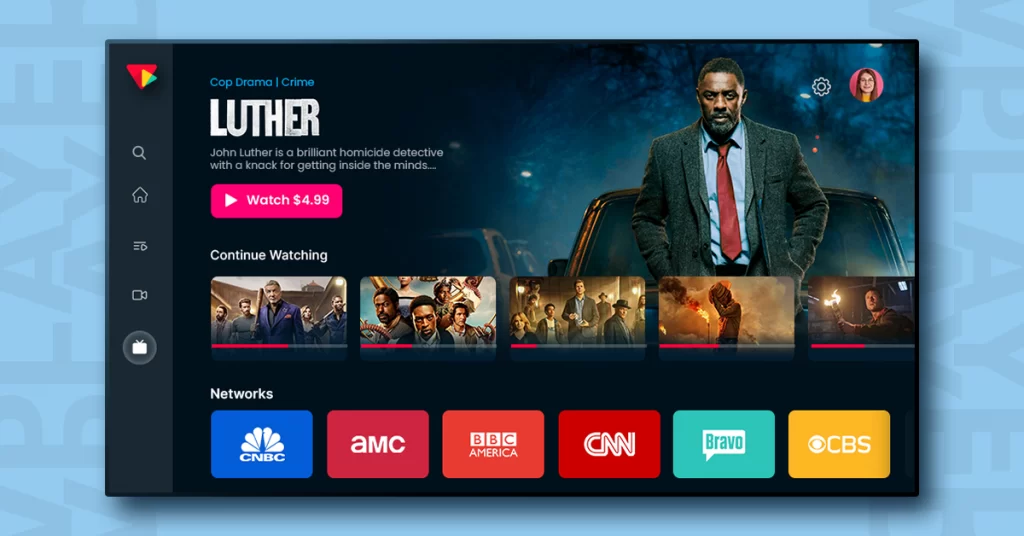
Here some simple steps that you can follow to create a suitable video subscription website online and generate large bucks of money swiftly:
Step 1: Identify Your Niche Audience
Subscription platforms turn passive viewers into paying subscribers who are consistently paying for high-value content. In subscription video on-demand (SVOD), relevance matters more than reach, because subscribers stay only when the content serves their needs.
Successful video subscription platforms are rarely built for a generic audience. Instead, they work better around specific groups with shared interests.
Whether it’s fitness enthusiasts seeking on-demand workout videos, faith-based communities looking for on-demand sermons, educational institutions, or media-tech enterprises, niche platforms draw bigger attention than run-of-the-mill streaming platforms.
Once you’ve identified your niche audience, the next obvious step is to plan a content strategy. More on that in the next section!
Step-2: Plan Your Content Strategy
In a video subscription platform, content is the core product that drives acquisition, engagement, and retention. A well-thought-out content strategy ensures your platform delivers consistent value rather than one-time viewing interest.
The most successful video subscription platforms tailor their content format to audience behavior and industry expectations. Now look at the performing content formats for video subscription platforms (by industry):
| Industry / Niche | High-Performing Content Formats | Why It Works for Subscriptions |
| Media & Entertainment | Episodic shows, exclusive series, early-access releases | Builds anticipation and binge viewing |
| Faith-Based Platforms | Sermon libraries, live services, devotional series | Creates habitual weekly engagement |
| Fitness & Wellness | Bite-sized workout sessions, guided programs | Encourages routine viewing and recurring engagement |
| Online Education | Structured courses, lesson modules, certification paths | Supports progressive learning and long-term retention |
| Corporate Training | Microlearning videos, onboarding series, workshops | Enables continuous employee learning |
With a clear understanding of what you’ll offer and how often audiences can expect new content, the next step is determining how to monetize that value through the right subscription model.
Step 3: Choose a Monetization Model
Apart from the subscription video on demand (SVOD) approach, some video subscription platforms go for a hybrid approach: a blend of pay per view (TVOD), ad-supported (AVOD), and more monetization models. Hybrid model is effective for audience acquisition before converting viewers into paid members.
Ultimately, your monetization strategy should reflect how your audience engages with your content rather than forcing users into a pricing structure that doesn’t match their expectations. Once your revenue model is defined, the next step is choosing the right platform infrastructure to support subscriptions, payments, and scalable streaming delivery.
Looking To Build Your Own SVOD Streaming Platform?
Start and Grow Your Video Streaming Service With 1000+ Features & 10+ Revenue Models.
 Highly Customizable
-
Life Time Ownership
-
Own 100% of Your Revenue
-
Full-Branding Freedom
Step 4: Select a Video Platform Provider
The platform provider you choose impacts the launch, smooth delivery of content, and effective subscriber management.
Subscription video businesses approach this decision in three ways:
1) Some choose to build a video subscription service from scratch,
2) Some rely on third-party marketplace platforms (which can limit ownership and control),
3) Certain video businesses turn to white-label platforms (which offer unparalleled ownership and control).
When evaluating a video platform provider, look beyond basic hosting capabilities. Consider factors such as multi-device app support, subscription and payment management, content management tools, analytics, scalability, security features like DRM protection, and global content delivery performance.
Step 5: Customize Branding & Apps
The platform choice you make has a direct impact on the degree of customization you get. White-label video platforms offer unparalleled branding freedom that goes beyond adding a logo or brand colors.
Branding freedom and customization include designing the user interface, defining navigation flows, and ensuring a consistent viewing experience across web, mobile, and smart TV applications.
Equally important are branded apps that reinforce multi-device availability platform ownership. At this stage, your goal should be to create a cohesive viewing experience across major touchpoints. With branding and apps in place, the next step is preparing your content library by uploading, organizing, and structuring videos.
Step 6: Upload & Organize Content
Start noticing the pattern in how your audience consumes content. This may include organizing videos into series, programs, courses, seasons, or thematic collections. Clear content grouping provides a clear progress for the viewer into your video subscription platform.
Avoid platforms that still want you to organize content the old-fashioned way. With the role of AI in OTT, generating thoughtful metadata, thumbnails, descriptions, and tagging has become easier than ever.
Organized libraries encourage longer watch sessions and make it easier to introduce new content without overwhelming users. As your catalog grows, a structured content management approach ensures scalability while preserving a smooth viewer experience.
Step 7: Set Up Payments & Subscriptions
Subscription setup is where your monetization strategy becomes operational. Begin by configuring subscription plans, monthly or annual memberships, tiered access levels, or bundled offerings.
Next up is integrating secure and reliable payment gateways that support multiple currencies. A frictionless checkout experience plays a major role in subscriber acquisition, while automated renewals ensure predictable revenue flow. Managing upgrades, downgrades, and cancellations transparently also helps build long-term subscriber trust.
Step 8: Test and Launch Across Devices
Testing ensures that subscribers experience smooth playback, reliable access, and consistent functionality from day one. Verify that streaming quality adapts correctly to different internet speeds, payments process successfully, and access permissions work as intended.
Pay close attention to navigation, loading times, video buffering, and app responsiveness. Small friction points during onboarding or playback can impact subscriber retention. Once testing is complete and performance is optimized, your video subscription platform is ready for launch.
Core Features Your Video Subscription Platform Needs
Building a successful video subscription platform involves more than just uploading content. To deliver a competitive streaming experience, your platform must combine seamless viewing, flexible monetization, operational control, and enterprise-grade security. The right feature set helps your video businesses in many ways, including:
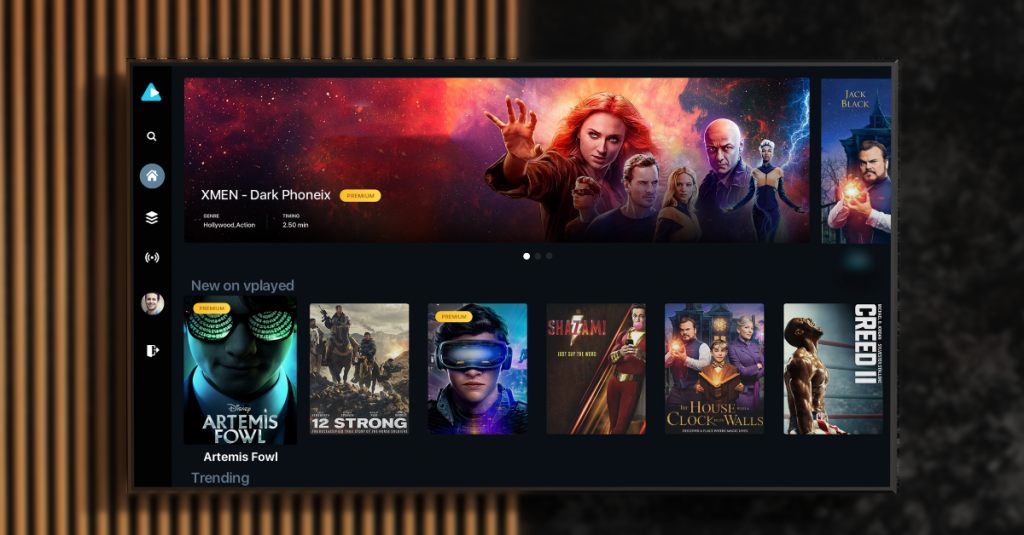
1) To Retain Subscribers,
Retaining subscribers is a big challenge, as the average subscriber retention rate hovers around 75% across industries. While compelling content attracts viewers initially, long-term success depends on delivering a seamless and engaging viewing experience that encourages audiences to return consistently and build lasting consumption habits.
The following core features play a massive role in retaining subscribers:
| Key Feature | What It Does |
| Adaptive bitrate streaming | Ensures smooth playback across varying internet speeds |
| Personalized recommendations | Surfaces relevant content to increase watch time |
| Watch history & resume playback | Enables seamless viewing across devices |
| Offline viewing | Allows access without continuous internet |
| User profiles | Supports personalized experiences for multiple viewers |
When viewers can easily discover content, enjoy uninterrupted playback, and engage with personalized experiences, subscriptions evolve into long-term relationships. Strong retention-focused features ultimately help reduce churn and create sustainable recurring revenue for your platform.
2) To Scale Globally,
As your video subscription platform grows, reaching audiences beyond regional boundaries becomes a natural progression. Scaling globally requires infrastructure that ensures consistent streaming performance. Plus, it also supports diverse devices and payment systems, and delivers reliable viewing experiences regardless of geographic location.
The following core capabilities determine how you scale globally:
| Key Feature | What It Does |
| Global CDN | Ensures fast content delivery from servers closest to viewers worldwide |
| Multi-Device Compatibility | Enables seamless streaming across smartphones, tablets, web browsers, and smart TVs |
| Multi-Currency Support | Allows subscribers to pay using local currencies |
| Language & Subtitle Support | Makes content accessible to multilingual audiences |
| Cloud Infrastructure | Automatically handles traffic spikes as subscriber numbers grow |
Ubiquitous capabilities allow platforms to expand audiences without rebuilding technical foundations. By ensuring performance, accessibility, and payment flexibility across regions, businesses can confidently grow their subscriber base.
3) To Manage Growing Content Libraries,
As your content catalog expands, managing videos efficiently becomes essential to maintaining a smooth user experience. Organized libraries, structured workflows, and performance insights help platform owners deliver relevant content while ensuring viewers can easily navigate and discover new material.
Let’s look at the core capabilities that help you manage growing content libraries:
| Key Feature | What It Does |
| Video CMS | Helps upload, organize, update, and manage large video libraries |
| Metadata Tagging | Improves navigation and content discovery |
| Advanced Search | Helps viewers quickly locate content within expanding libraries |
| Bulk Upload | Allows efficient publishing as content volume grows |
| Role-Based Access Control | Assigns permissions for efficient content management |
Effective content management enables platforms to scale without sacrificing usability or operational efficiency. With the right organizational and analytical capabilities in place, businesses can continuously expand their libraries while maintaining clarity, discoverability, and engagement for subscribers.
How Much Does It Cost to Create a Video Subscription Platform?
Creating a video subscription platform costs anywhere between $30,000 and $200,000, depending on the complexity, features, and target platforms. For a basic version, you would have to invest about $30,000 to $50,000. If you want it on multiple platforms (web, Android/iOS, and smart TVs), you’ll need to invest more, around $50,000 to $200,000. For a more sophisticated product with advanced features, the budget can range from $100,000 and $300,000 or more.
Real-World Use Cases of SVOD Platforms
Video subscription platforms are no longer limited to entertainment companies. Across industries, organizations are adopting SVOD models to deliver specialized content, build engaged communities, and generate recurring revenue.
Let’s take a look at how SVOD platforms are transforming various industries:
1) Fitness and Wellness
Fitness brands and independent trainers use SVOD platforms to deliver structured workout programs, live classes, and guided wellness journeys. Subscription-based access encourages routine engagement while allowing creators to build loyal communities beyond social media platforms. This model supports predictable revenue while enabling members to access training any time across devices.
2) Media and Entertainment
Independent media companies and niche entertainment creators use SVOD platforms to distribute exclusive shows, documentaries, and episodic content directly to audiences. By owning distribution channels, publishers reduce reliance on third-party platforms and monetize dedicated viewer communities through recurring subscriptions.
3) Faith-Based and Community Organizations
Religious and community organizations adopt SVOD platforms to stream sermons, events, and educational programs to geographically dispersed audiences. Subscription models help sustain operations while maintaining continuous engagement with members beyond physical gatherings.
4) Corporate Training and Enterprises
Enterprises deploy SVOD platforms for employee onboarding, compliance training, and professional development programs. Centralized video libraries enable consistent knowledge distribution across global teams while reducing training costs and improving accessibility.
Conclusion
Launching a video subscription platform for your video business is an exciting venture that blends creativity with business acumen. By following these steps, you can create a platform that brings consistent, recurring revenue for your video library.
From identifying the right audience and content strategy to selecting infrastructure, managing growth, and enabling global delivery, building an SVOD platform today is a structured and achievable process.
We hope this guide provides you with a clear roadmap to launching your own video subscription service. If you’re curious about a white-label SVOD platform, then look further than VPlayed. Get in touch with the team and explore a demo version now.
- Request Demo Book a Live, Personalized Demo
- Contact Sales Reach Out to Our OTT Experts
Frequently Asked Questions(FAQ):
1. Why Is SVOD The Best Video Monetization Model?
Recurring revenue model which is popularly known as SVOD & is said to be the best model chosen by content owners. It’s an optimum way to earn revenue from your developed platform where you will have no limits to monetize your subscription-based videos.
2. Difference Between SVOD Vs AVOD Revenue Model?
SVOD vs AVOD – Subscription video on demand allows customers to pay a monthly fee in exchange for unlimited access to a large library of audio or video content for the term of the subscription. You might use the Advertising video on demand approach if you guarantee to deliver free video/audio material amongst your regular video streaming.
3. How Do I Set Up A Video Subscription (SVOD) Platform ?
There are no boundaries to what you can do with your video subscription platform once you figure out how to create unique content or things that people want. You can provide a variety of video subscription packages, including free trials, paid subscriptions, seasonal subscriptions, automatic renewal subscriptions, manual renewal subscriptions, and more.
4. What Are The Features Required For A Subscription Video Platform?
Subscription platforms come with an array of features and functionalities to help video content reach their goals Here’s a rundown of the most important ones we discovered. Whitelabeling videos for consistent earnings, lifetime platform ownership, enterprise-level security with one-time licence fee, limitless integrations, Flexible monetization opportunities, and much more.