



Nowadays, we use mobile apps for pretty much everything – working, playing games, online shopping, you name it. And we expect those apps to be fast, smooth, and easy to use on our phones or tablets.
Building high-quality apps that give users a great experience isn’t easy though. It takes a lot of skills across different areas of development – from designing modern user interfaces to coding the behind-the-scenes logic that powers all the functionality.
That’s where full stack mobile app development company comes in.
In this guide, we’ll go through all the key parts of full stack mobile app development.
We’ll cover the different technologies involved, best practices to follow, and the entire process from initial planning to launching and maintaining successful mobile apps.
What is Full Stack Development?
Full Stack Development is the complete package. It covers both the front-end (what users see) and the back-end (the server, database, and logic).
This allows developers to build both the visual layout and the behind-the-scenes operations, making it highly versatile. Full stack mobile developer handle everything, from crafting smooth user interfaces to setting up robust data management systems.
Key Benefits of Full Stack Mobile App Development
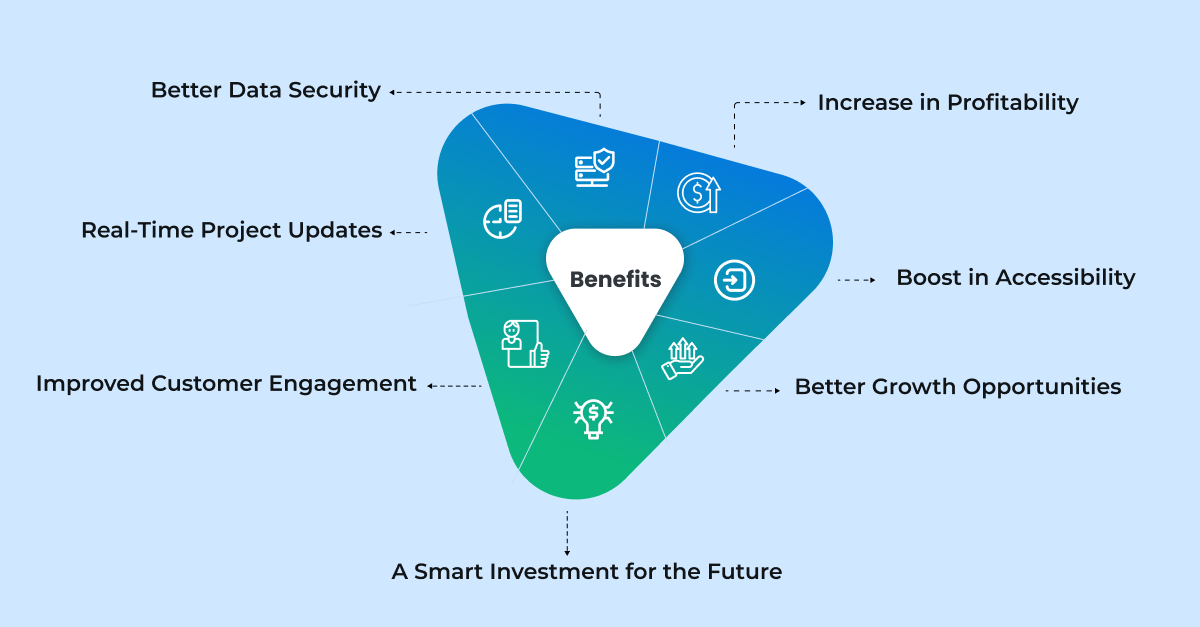
1. Increase in Profitability
Full-stack development can lower costs since one team handles everything. This reduces the need for multiple specialists and cuts down the overall budget.
2. Better Growth Opportunities
With full-stack mobile developers, businesses can easily scale their apps without needing to reinvent the wheel, giving them more flexibility to grow.
3. Improved Customer Engagement
By developing an app that’s accessible across different platforms, businesses can reach more customers and keep them engaged through smooth, responsive experiences
4. A Smart Investment for the Future
Full-stack developers use app modernization technologies to make your app adaptable to future trends, helping you stay competitive.
5. Boost in Accessibility
Since full-stack apps are designed to work across multiple platforms, users have easier access whether they’re on mobile or desktop.
6. Real-Time Project Updates
Full-stack teams offer transparency. You can monitor progress in real time, ensuring you’re always in the loop with your project.
7. Better Data Security
Full-stack development ensures your app is secure from the ground up, with strong protections in place for both front-end and back-end operations
Features of a Full Stack Mobile App Development Environment
These essential features ensure that full-stack mobile app development delivers scalable, adaptable, and user-centric mobile applications, addressing both frontend and backend requirements.
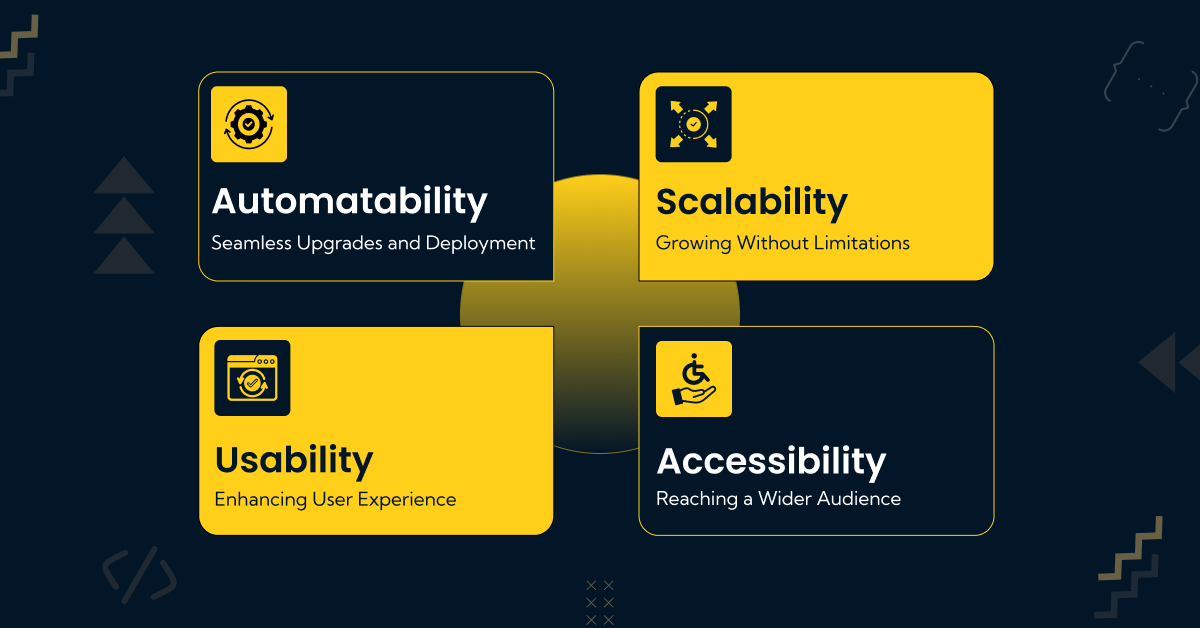
1. Automatability: Seamless Upgrades and Deployment
Enable your app to stay updated without interruptions, ensuring smooth integration of new features and improvements without taking the software offline.
2. Scalability: Growing Without Limitations
Design with growth in mind—using virtualization and resilient data systems to handle increasing demands while ensuring data security and system reliability.
3. Usability Testing Loop: Enhancing User Experience
Collect valuable user insights through continuous feedback, UI monitoring, and session tracking to refine the app experience and resolve any usability barriers.
4. Accessibility, Globalization, and Localization: Reaching a Wider Audience
Boost your app’s relevance by incorporating accessibility features and supporting multiple languages, ensuring a seamless experience for a diverse, global user base.
Process of Developing Full Stack Mobile Application
We’re about to embark on a detailed journey through a full stack development company, covering everything from the initial planning stages to long-term maintenance.
This guide will break down each phase, offering insights and practical tips to help you understand and implement the complete development process.
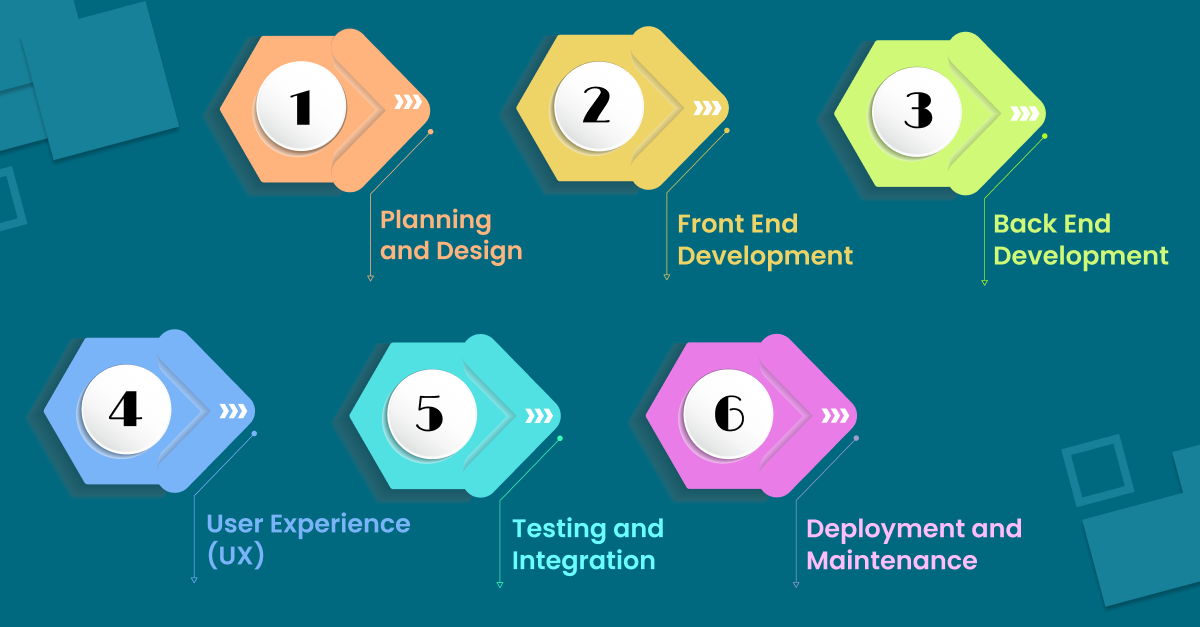
6 Phases of the Full Stack Mobile App Development Process:
| Phase | Key Activities |
|---|---|
| Planning and Design | Gathering requirements, creating wireframes, designing UI/UX |
| Front End Development | HTML/CSS, JavaScript, frameworks like React or Angular |
| Back End Development | Server-side scripting, database management, APIs |
| User Experience (UX) | User-Centred Design, Feedback and Testing |
| Testing and Integration | Unit testing, integration testing, user testing, Intuitive Navigation |
| Deployment and Maintenance | Deployment, monitoring, updates and maintenance |
1. Planning and Design
Every successful project starts with careful planning and a clear design. This phase is like creating the blueprint for a building:
- Gathering Requirements: Understand what the client needs and expects.
- Creating Wireframes: Visual sketches that outline the structure and layout.
- Designing UI/UX: Ensuring the interface is user-friendly and visually appealing.
2. Front End Development
With the design in place, we move on to front end development, where the visual and interactive elements come to life:
- HTML/CSS: For building the structure and style of the webpage.
- JavaScript: To add interactive features and functionality.
- Frameworks like React or Angular: For creating dynamic, responsive applications.
3. Back End Development
Behind the scenes, back end development powers the application, handling data and server-side logic:
- Server-Side Scripting: Using languages like Python, Ruby, or Node.js to manage the server.
- Database Management: Storing and organizing data with SQL or NoSQL databases.
- APIs: Connecting the front end with the back end, enabling seamless communication.
4. User Experience (UX)
A beautifully designed mobile app that’s difficult to use won’t gain traction. That’s why UX design is a critical step in the development process.
- User-Centred Design: Developers focus on the end-user’s needs. What are the pain points? How can the app solve problems and provide a pleasant experience?
- User Feedback and Testing: Involving users early on by testing the prototype helps refine the app design.
- Intuitive Navigation: The app’s layout needs to be simple and intuitive, ensuring that users can easily move through different sections without frustration.
5. Testing and Integration
Before launching, rigorous testing ensures everything works as expected:
- Unit Testing: Checking individual components for functionality.
- Integration Testing: Ensuring different parts of the system work together smoothly.
- User Testing: Gathering feedback from real users to catch any issues and improve usability.
6. Deployment and Maintenance
Finally, full stack developers deploy the application and ensure it runs smoothly over time:
- Deployment: Launching the application on a web server.
- Monitoring: Continuously checking performance and uptime.
- Updates and Maintenance: Regularly updating the system and fixing any issues that arise.
Each phase of full stack development is interconnected, ensuring the final product is robust, user-friendly, and maintainable.
By following these steps, full stack mobile app developers can create super app for customer service that not only meet client expectations but also delight users with seamless performance and functionality.
Top Full Stack Mobile App Development Services by Industry Leaders
Explore a range of cutting-edge services provided by full stack development companies, designed to bring innovative, high-performance mobile applications to life.
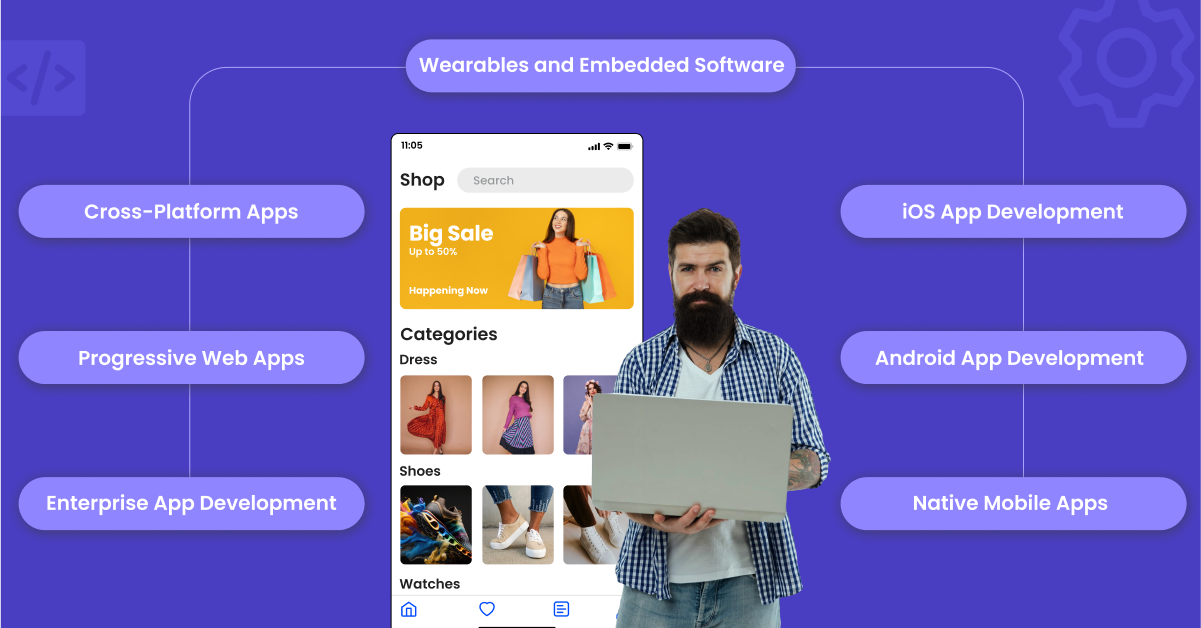
1. iOS App Development
Make your iPhone dreams come true with sleek, high-performance apps that vibe with the Apple ecosystem.
2. Android App Development
Bringing your app idea to life for the billion (literally) Android users out there. Google Play, here you come!
3. Wearables and Embedded Software
Got a smartwatch or a fridge that needs a killer app? Yep, they can do that too. Because the future is wearable.
4. Native Mobile Apps
The go-to for apps that are super smooth, fast, and look like they were born to be on your phone.
5. Cross-Platform Apps
Why choose one when you can have it all? These apps run on both iOS and Android like it’s no big deal.
6. Progressive Web Apps (PWAs)
For when you want the app experience without the whole “downloading an app” thing. PWAs keep things easy, fast, and accessible from any browser.
7. Enterprise App Development
Empower your business with scalable and secure enterprise mobile apps. Their Solutions are designed to enhance productivity, streamline operations, and support your business growth with robust features and enterprise-grade security.
Conclusion
Now you get a clear understanding of full stack mobile app development.
The world of mobile apps continues to rapidly evolve, with users demanding increasingly rich, responsive experiences across devices. In this dynamic landscape, full stack mobile app developers are the versatile developers best equipped to create robust apps that meet these high expectations.
While mastering the full stack mobile app development is challenging, it opens up incredible opportunities. Your holistic knowledge lets you solve problems across any part of the stack.
Most importantly, you become self-sufficient to take an app idea and run with it independently to delivering a high-quality final product.
If creating cutting-edge mobile experiences from the ground up excites you, riding the full stack mobile app developer wave could be your calling. With dedication to learning the core skills, you’ll be unstoppable at delivering the premium apps users crave.
If You Are Seeking to Start a Full Stack Mobile Application. Contact Us To Start Your Project Within The Next Few Hours.
Frequently Asked Questions:
What is full stack mobile app development?
Full stack mobile app development is a comprehensive approach to creating mobile applications. It involves working on what users see and interact with and the server-side logic and databases of an app. A fullstack mobile developer is a person who is known to create a mobile app using both front-end and back-end technologies.
How much does it cost to build a full stack mobile application?
The cost of building a full stack mobile app can vary widely depending on several factors. These include the app’s complexity, features, design requirements, and the development team’s location and experience. A basic app might cost anywhere from $10,000 to $50,000, while more complex applications could reach up to $100,000 or more.
Can a full-stack developer build mobile apps?
Yes, a full-stack developer can build mobile apps. Their broad skill set makes them well-suited for mobile app development. However, it’s worth noting that mobile development often requires specialized knowledge of platform-specific languages and frameworks. So, a full-stack web developer might need to expand their skills to become proficient in mobile app development.
How can I hire a full stack mobile app developer?
To hire a full stack developer specifically for mobile app development, start by clearly defining your project requirements. Having a good scope not only helps in finding the right talent but also in estimating the cost to hire a full stack developer based on the complexity and timeline of your project. Look for candidates with experience in both front-end and back-end mobile technologies. Check their portfolio for previous mobile projects.
Which is the best company for full stack mobile app development?
Many great companies are offering full stack mobile app development services. The best choice depends on your specific needs, budget, and project requirements. Look for companies with a strong portfolio of successful mobile apps and positive client reviews. Some well-regarded firms specialize in creating innovative, user-friendly apps across various industries. Among the top companies for full stack mobile app development are CONTUS Tech, ApphiTect, Apptha, Konstant Infosolutions, Clarion Technologies, and RipenApps Technologies.


