

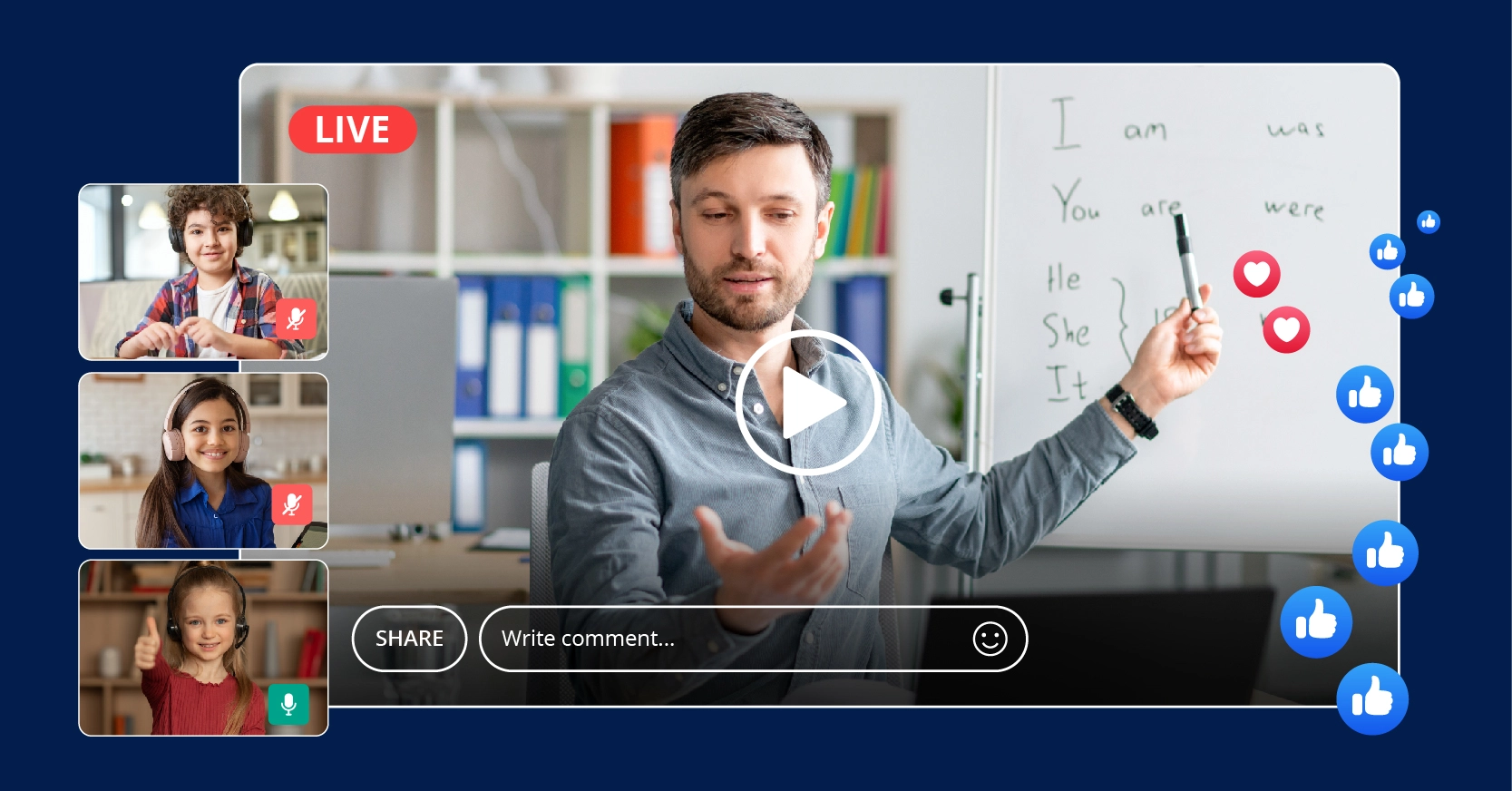


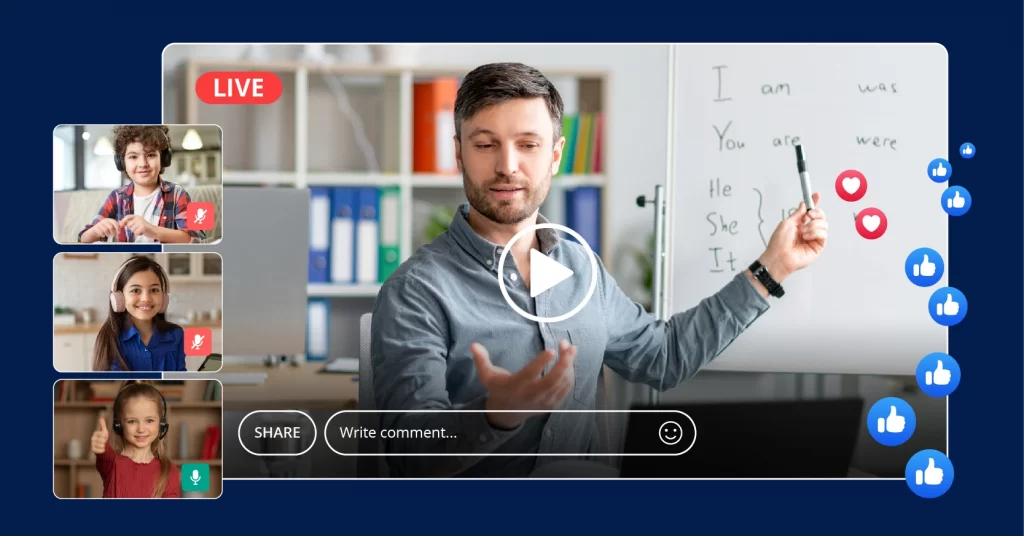
It often starts with a live-streamed lesson on a topic that should work: clear structure, strong subject matter, and thoughtful delivery. On paper, everything looks right. But the engagement tells a different story. A few reactions here and there, but overall? Unsettlingly quiet.
That silence raises questions. Is it the content, the teaching style, or simply the nature of online learning? In many cases, the issue comes down to the platform.
As the global EdTech market is projected to reach $437.54 billion by 2033, growing at a CAGR of 10.8% from 2026 to 2033, the transition toward digital and live online learning is only intensifying, making platform choice an important part.
Generic live-streaming platforms are built to broadcast content. They lack the tools needed to create meaningful, two-way participation. Learners log in, attend, and leave, without truly engaging with the content.
This is where purpose-built live streaming education platforms make a difference.
After evaluating 20+ live streaming education platforms, this blog highlights the 10 best options that consistently deliver on learner engagement and participation.
- Fully Customizable
- Lifetime Ownership
- On-Premise/On-Cloud
- 100% White-label
- Zero Revenue Share
- Hire Developers
10 Best Live Streaming Platforms for Education at a Glance
| Platform | LMS Integration(Yes/No) | Free Trial /Demo | Pricing | Best For |
| VPlayed | Yes | Demo available | Custompricing | Full platform ownership |
| OnTheFly | No | 7-day Free trial | Starts at $23 per month | Multi-streaming and interactive live classes |
| Kaltura | Yes | Demo available | Custompricing | Large universities & institutions |
| Panopto | Yes | Free trial & Demo | Custompricing | Higher-ed institutions |
| Dacast | No | 30-day Free trial | Starts at $39 per month | Independent educators |
| Muvi Live | Yes | 14-day Free trial | Starts at $99 per month | Branded Education OTT platforms |
| Vimeo | No | Free plan available | Starts at $20/month | Creators & small educators |
| Zype | Yes | Demo available | Starts at $500/month | OTT-focused education businesses |
| Cincopa | Yes | 30-day Free trial | Starts at $30/month | Educators |
| StreamYard | No | Free plan available | Starts at $35 per month | Browser-based live streaming |
- VPlayed: White-label live streaming with monetization and multi-device support
- OnTheFly: Browser-based live streaming with multi-streaming and content repurposing tools
- Kaltura: LMS-integrated virtual classrooms and lecture capture
- Panopto: Large-scale lecture streaming with searchable recordings
- Dacast: Secure live classes with built-in paywalls and API access
- Muvi: Branded live streaming websites and apps with monetization features
- Vimeo OTT: Ad-free live streaming with simulcasting and audience analytics
- Kaltura: Enterprise learning and video management
- Vimeo OTT: Subscription-based branded streaming services
- Zype: API-first live streaming with flexible monetization options
- Cincopa: Video hosting, webinar landing pages, and detailed engagement analytics
- StreamYard: Browser-based streaming for webinars and live classes
If you’d rather start with the key takeaways, here’s a quick overview of each platform’s standout features.
The 10 Best Live Streaming for Education – Detail Guide
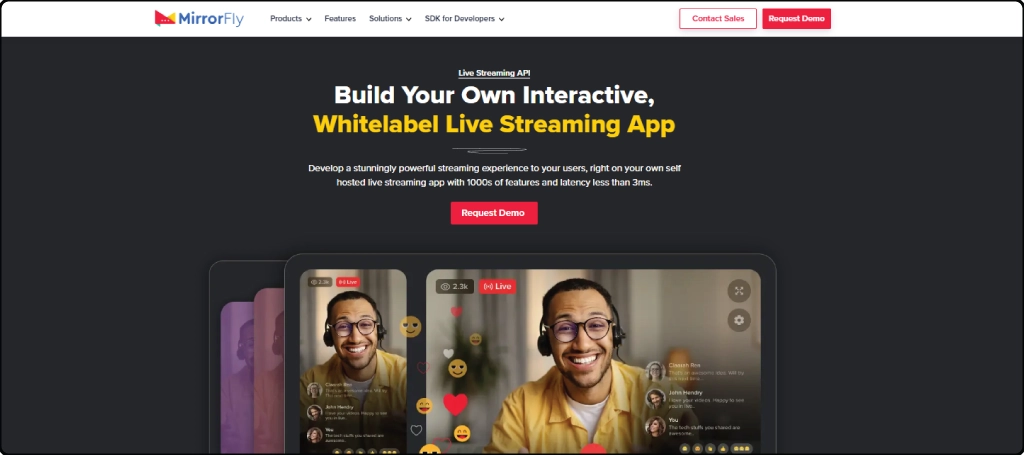
Explore the 8 best live streaming for education to stream your classes online. Some of the online live class platforms are VPlayed, MirrorFly, OnTheFly, Dacast, Panopto, Vimeo OTT, Muvi, etc..
1. VPlayed
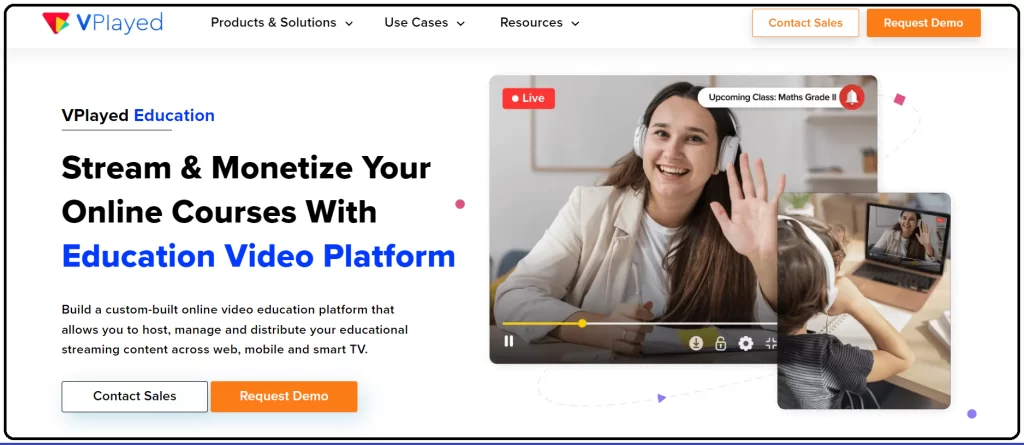
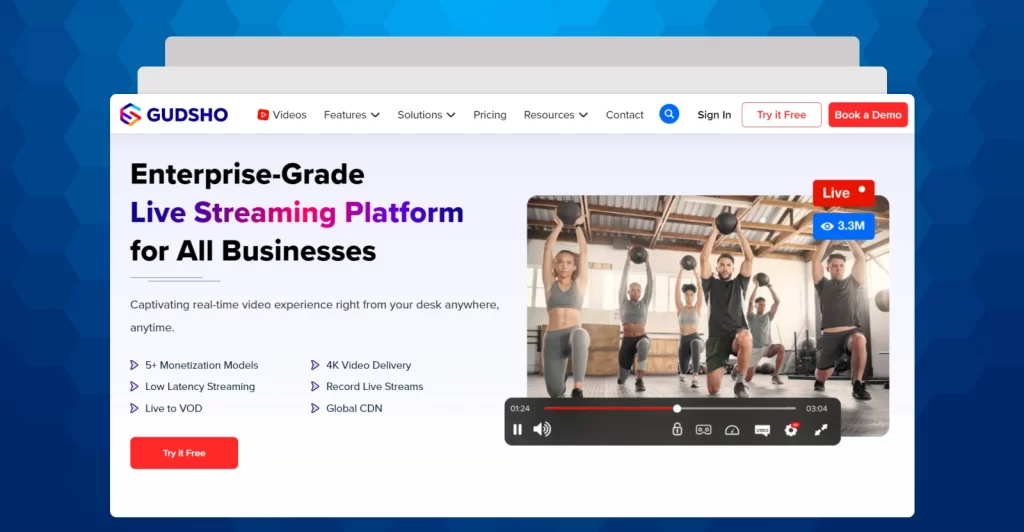
VPlayed is a fully customizable, white-label live streaming platform with full platform ownership (source code access). The platform claims 4K quality live delivery, which can work well in large-scale live broadcasting. Plus, the platform allows enterprises to bundle subscriptions, enable pay-per-class, and provide built-in certifications. VPlayed is your best route to establish a live streaming business for education across mobile, desktop, and smart TVs.
Key Features:
* Security aspects: Secure your live streams with domain restrictions, screen-recording protection, AES encryption, and multi-DRM support.
* Live Q&A: Engagement tools for learners and students to stay active and to ask doubts in real-time during sessions.
* Closed Captions: Text-based transcriptions for achieving a wider accessibility for every displayed content.
* Adaptive Streaming: Ensures high-definition video quality that automatically adjusts to learners’ internet bandwidth, minimizing disruptions.
VPlayed Pros:
* Multi-device support
* Solid monetization, security, and editing features built-in
* Good for both live and async courses
VPlayed Cons:
* Lacks built-in marketing features
* Absence of gamification features
* Steep learning curve for new users.
2. OnTheFly
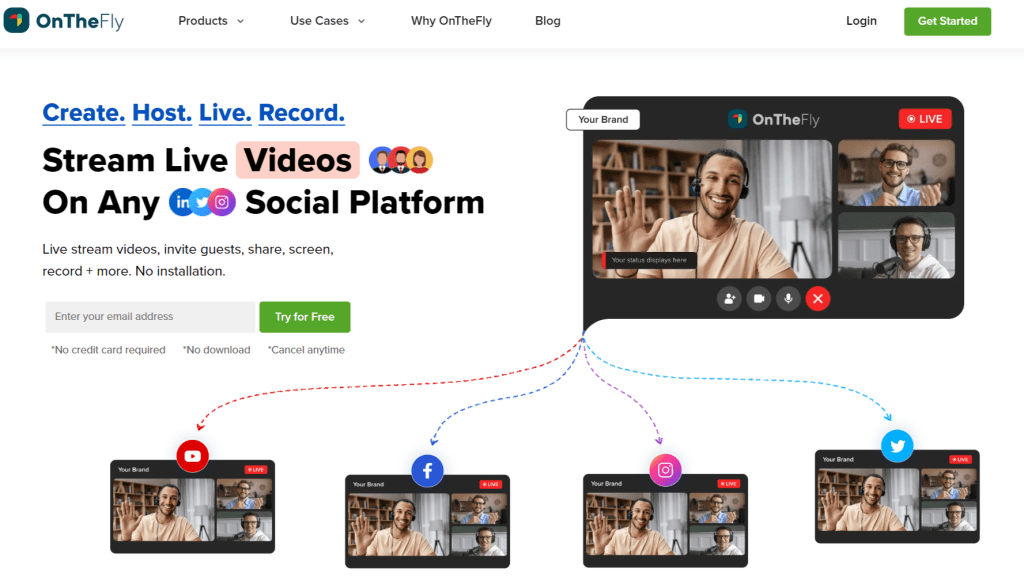
OnTheFly is a cloud-based live streaming platform for education with multi-streaming capabilities to social platforms. This platform allows you to live-stream classes and engage learners from one unified dashboard. OnTheFly fosters engagement through live chat, Q&A sessions, and interactive polls. It is highly customizable, so independent educators can add logos and tailor graphics to their feeds.
Key Features:
* High-definition Support: Offers support for online live classes up to Full HD (1080p), across its plans.
* Screen Recording/Sharing: Enables sharing screens for tutorials, gaming, or product demonstrations.
* Custom RTMP destinations: Custom RTMPs enable live streaming platforms for education to broadcast live streams across multiple destinations.
* Content Repurposing tools: Offers built-in recording, editing, and embedding tools to convert live streams into on-demand video content.
OnTheFly Pros:
* Easy and minimal set up (browser-based)
* Custom branding options
* Multi-streaming options
OnTheFly Cons:
* Lack of community features
* Absence of LMS integration
* No real engagement features.
3. Kaltura
Kaltura is a cloud-based video engagement platform that is often integrated into learning management systems (LMS) for recording lectures. The platform provides live streaming from its management console (KMC), also known as a media management system. Also, you can provision live streaming capabilities on your existing platform through the Kaltura live API. Regardless of how you set up, Kaltura’s lecture capture is a clear standout feature, allowing you to record, edit, and share your lessons.
Key Features:
* Multi-device Support: Kaltura offers support to multiple devices like TVs, laptops, tablets, and gaming consoles, so learners can access live streams on their convenient device.
* Pass-through: The server doesn’t manipulate the output of the original encoder, and delivers through multi-bitrate RTMP streams. This ensures raw, recorded files are being delivered without any shrinking.
* DVR window: Allow learners to seek backward within a live online class. You can enable or disable this feature before commencing live classes.
* Kaltura Capture: Built-in tools that automatically records webcam, screen, and audio (at once) for presentations or assignments.
Kaltura Pros:
* Excellent LMS integration (Moodle, Blackboard, Canvas)
* Customizable virtual classrooms and branded learning portals
* Interactive learning features.
Kaltura Cons:
* Takes time to set up, unlike plug-and-play tools
* Slow upload/processing times for lecture videos
* Video editing tools are basic.
Exploring Alternatives To Kaltura?
Discover a feature-rich live streaming Alternative for Kaltura to launch and scale your educational OTT platform.
4. Panopto
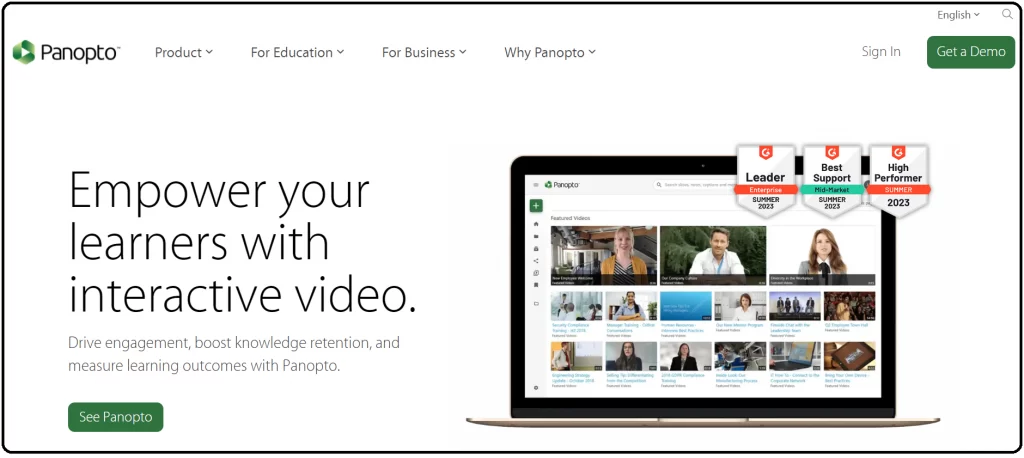
Panopto is a cloud-based live streaming platform that specializes in one-to-many webcasts, well-suited for large-scale educational institutions. Webcasts begin with selecting the source (live stream or pre-recorded content) and pressing ‘record’ to initiate broadcasting. The live streaming session is automatically converted into an on-demand version for later viewing. Administrators of educational institutions can configure access control levels to determine who gets access and views their live streams.
Key Features:
* RTMP Support: You can leverage your existing real-time messaging protocol (RTMP) systems to broadcast to tens of thousands of learners.
* LMS Integration: Integrates with platforms like Canvas, Moodle, and Blackboard to allow easy sharing and embedding of videos in courses.
* Lecture Capture: Effortlessly record and archive lectures for on-demand access, improving student engagement and retention.
* Searchable Live recordings: Indexes every word spoken or every material shared via your live streams, so learners can easily search and find.
Panopto Pros:
* Excellent LMS integration for structured teaching.
* Automatic recording of live streams.
* Built-in content discoverability.
Panopto Cons:
* Lacks real-time interactivity in live classes
* While automatic, some users report delays in processing recordings
* Less branding options.
5. Dacast
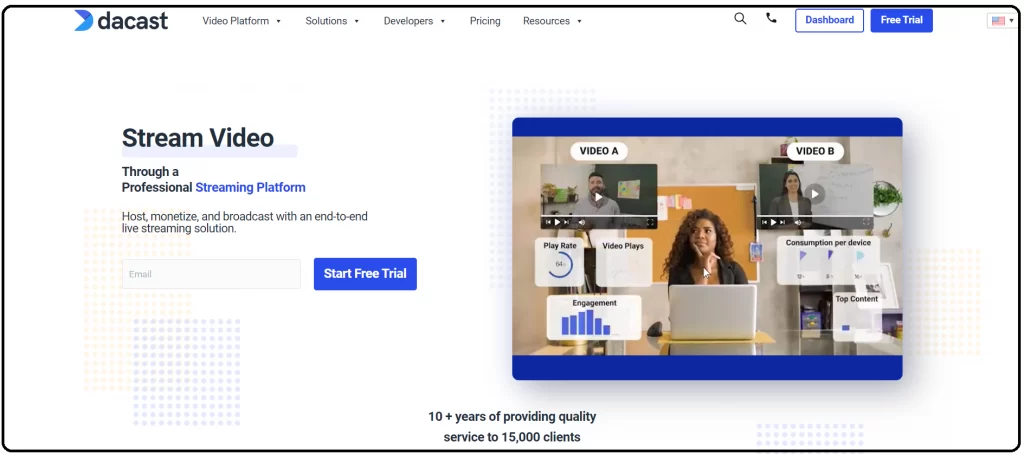
Dacast is a live streaming platform for independent educators looking for a simple, easy-to-set-up infrastructure. With built-in paywalls, educators can bundle live streams within video courses to set up access control metrics. The open API access allows educators to integrate Dacast’s features into existing systems. Password-protected live streams help educators protect their interactive sessions for intended audiences.
Key Features:
* Monetization Tools: Dacast has built-in pay-per-view (PPV), subscription (SVOD), and integrated paywall to generate revenue.
* Live and VOD Streaming: Supports both real-time broadcasting and video on demand (VOD) hosting.
* HLS Support: Enables HTML5 video players to deliver live streams across diverse devices (iOS, Android, web).
* Top-tier CDNs: Facilitates uninterrupted live event streaming with access to top-tier CDNs from across the globe.
Dacast Pros:
* Supports ad-free live streaming by default
* Built-in paywall support
* API access to build custom workflows
Dacast Cons:
* Limited LMS-native integration
* Live streams capped at 1080p resolution (no 4K support)
* Bandwidth limits can restrict your usage.
Explore Leading Dacast Competitors
Compare the top Dacast competitors offering advanced streaming infrastructure, video monetization tools, and OTT platform capabilities.
6. Muvi
Muvi Live is a white-label live streaming platform offering support for branded websites and apps. Under your Muvi account, you can publish branded websites and apps with no mention of Muvi Live in the form of any logo, watermark, or text. With its native live streaming server, you can broadcast events, webinars, product launches, sports events, and music concerts. Muvi automatically records live streams, allowing them to be stored and published as on-demand content.
Key Features:
* VAST-based ads: Monetize live streams by integrating VAST-based ads from any third-party ad server with SCTE-35 markers.
* Real-time Analytics: Track concurrent viewers and monitor average watch time of the learners that help in retention.
* Host Meeting: Easily host up to 600 participants in a single two-way interactive meeting without any hassle.
* Live Chat: Offers real-time engagement via advanced live chat. Allows you to download chat transcripts in PDF or Excel.
Muvi Live Pros:
* Gives you leverage to bring an end-to-end OTT platform to stream classes
* Built-in monetization options
* Strong security features to protect live streams.
Muvi Live Cons:
* Higher starting price.
* Initial setup takes time.
* Limited real-time interactivity features.


7. Vimeo OTT
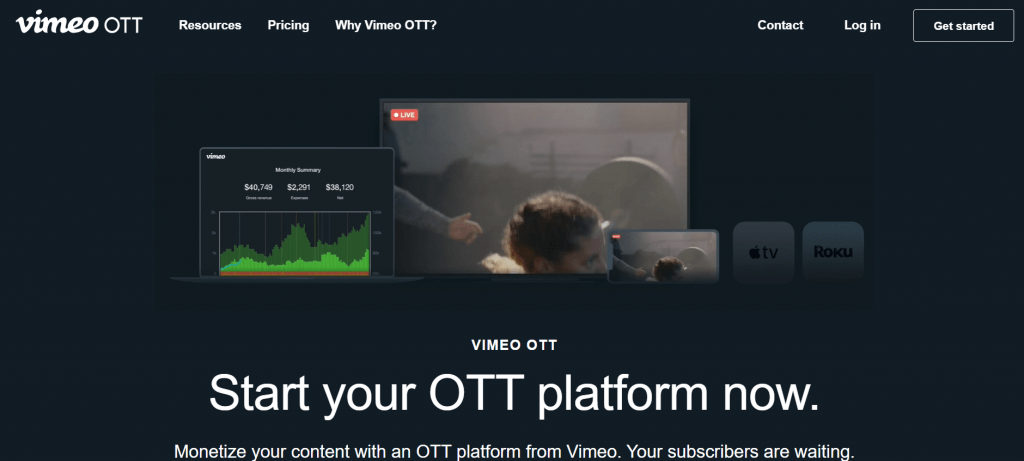
Vimeo is an ad-free, professional-grade live streaming platform designed specifically for online educators trying to stream in ultra-high definition. The platform offers professional production tools, including multi-camera compatibility, color correction, and professional audio mixing. Reach learners wherever they are with simulcasting to YouTube, Facebook, LinkedIn, Instagram, or any RTMPS destination. With the built-in stream health monitoring tool, you can monitor how your live online class is performing in real-time.
Key Features:
* Monetization: Allows online educators to sell bundled online courses or pay-per-class live streams directly to learners through subscriptions or purchases.
* Real-time Closed Captions: Vimeo integrates with 3Play Media, allowing educators to add closed captions to their live streams.
* Public/private broadcasts: Configure privacy settings to choose exactly who can discover, view, and interact with your live content.
* Security Features: Choose to either unlist live streams or enable download restrictions to secure live streams.
Vimeo Pros:
* Ad-free streaming environment with player control
* Simulcasting to reach learners where they are.
* Viewer analytics and performance tracking.
Vimeo Cons:
* Limited LMS-native integration
* Costs increase based on attendees and usage
* Editing capabilities are basic.
Top Alternative To Vimeo OTT!
Here’s a Vimeo OTT alternative to help you start streaming in just 4-5 days and start earning from day one
8. Zype
Zype’s live streaming is an extension of its API-first video platform. From a unified dashboard, education businesses can manage the broadcast, distribution, and monetization of live streams. Zype’s API architecture integrates seamlessly with existing systems, so you can customize live workflows as per the use case. Because of its single-tenant infrastructure, you can create multiple-bitrate live streams from a single input source.
Key Features:
* Monetization: Supports SVOD (subscriptions), AVOD (advertising), and TVOD (purchase/rental) models.
* DVR Functionality: Enable DVR functionality with all your live streams. Also, Zype automatically archives your live streams to on-demand video.
* User-friendly Interface: Zype’s platform is designed with easy navigation, clear course details, ratings, and reviews for user convenience.
* Multi-device Support: Zype is accessible on various devices, including desktops, laptops, tablets, and smartphones for on-the-go learning.
Zype Live Pros:
* Powerful monetization capabilities
* Manage live broadcasts, encoders, and workflows.
* Works with tools like Wirecast, TriCaster.
Zype Live Cons:
* Higher starting price
* Limited built-in engagement tools.
* No native collaboration features like breakout rooms.
Compare the top AVOD platforms based on monetization capabilities, ad integration, content management, and scalability.
9. Cincopa
Cincopa is a live streaming platform for education, helping online instructors broadcast live videos with live transcoding. Going live is an integral part of Cincopa’s broader suite of tools, including branded video galleries, podcasts, and photo slideshows. Instructors can build dedicated landing pages for their webinar sessions. Also, securing the live streams is feasible with passwords, domain lock, and an email gate.
Key Features:
* Customization: Offers customizable video players and responsive galleries (HTML5) to match corporate branding.
* Integrations: Connects with popular streaming studios like OBS, Wirecast, and Zoom.
* Analytics & Insights: Provides detailed video analytics, including viewer heatmaps, engagement rates, and detailed viewer data.
Cincopa Pros:
* Strong LMS and third-party integrations
* Strong security and access control
* Live sessions can be automatically saved and reused as VOD content.
Cincopa Cons:
* Can be used, but not purpose-built platform for education
* Absence of real-time interactivity features
10. StreamYard
StreamYard is a browser-based live streaming platform that enables multi-streaming to platforms like YouTube, Facebook, and LinkedIn. With professional branding options, you can add logos, colors, lower thirds, and overlays to streams. For immediate starters, you can customize and send a URL for people to join (supports up to 10 on screen).
Key Features:
* Stream Repurpose: Trim and edit live streams into bite-sized pieces and use them as short or reels to maximize your educational streaming platform.
* Branding options: Personalize your live webinars or classes with your own logo, color, banners, scrolling tickers, name tags, overlays, backgrounds, and more.
* Giveaway tool: Leverage this tool as a rewarding feature to increase engagement, reward viewers, give away swag, and more.
StreamYard Pros:
* Extremely easy to use (browser-based)
* Multi-platform live streaming.
* Built-in recording for content reuse
StreamYard Cons:
* No native integration with LMS platforms
* No breakout rooms, quizzes, or assignments
* No deep learner analytics within the platform.
Top Video Content Management Systems to Consider
Compare the top video content management systems based on content control, scalability, security, and monetization capabilities.
Benefits of Live Streaming for Education
* Global reach: Teach students across boundaries and timezones without any logistical challenges. Instructors can schedule classes at their convenience.
* Interactivity: Built-in Q&A, live polls, and chat keep learners glued to the instructor and the content. These features keep two-way communication going amidst high engagement.
* Live-to-VOD Conversion: Every live session can be automatically saved and repurposed as on-demand content, giving learners the flexibility to revisit lessons at their own pace.
* Scalability: Whether you’re teaching 10 students or 10,000, live streaming handles the load without requiring additional infrastructure or effort on your end.
* Monetization: You can charge per live class, offer subscription access, or bundle sessions into a video course. Live streaming for education gives you the flexibility to decide your revenue stream.
What Should You Look for in a Live Streaming Education Platform?
Each live streaming platform for education comes with different set of possibilities, but you can’t afford to miss out on these capabilities:
1) LMS Integration
Without LMS integration, your online live classes operate in silos without meaningful experiences. LMS integrations facilitate seamless data accessibility between two systems. With an LMS-CMS integration, for example, online educators can seamlessly organize content, schedule live streams, automate transcriptions, and enable robust analytical reports.
The ideal live streaming education platform must integrate with LMS systems like Moodle, Blackboard, or any custom LMS. This gives unified visibility into learner tracker for educators and instructors.
2) Engagement Features
Teaching that facilitates engagement is good in the long run. While subject-matter knowledge plays a massive role, built-in engagement features enhance your teaching. Discussion forums, communities, virtual events, live polls, live Q&A, chat, and messaging are the emblematic features of modern online teaching.
3) Accessibility Features
Closed captions provide text-based transcriptions of spoken content. Simple as it may sound, this feature is indispensable for inclusive education.
It helps you accommodate diverse learners for your live online classes. It includes those with hearing impairments, non-native speakers, or those in noisy environments. Besides, they also align with accessibility regulations, preventing discrimination and ensuring equitable access to your educational materials.
4) Customization Options
Some platforms allow you to build your own brand on top of their architecture. You can add your own logo, colors, overlays, and style. Certain platforms let you launch branded apps across web, mobile, and OTT. Depending on your requirement, this should be a consideration.
5) Live-to-VOD Conversion
The ultimate goal of live-to-VOD conversion is to extend the shelf life of live streams beyond their broadcasting time. Some platforms allow you to trigger VOD workflows only after the completion of the live stream. Certain platforms trigger VOD workflows while keeping the original live encoding workflow untouched. This way, live streaming platforms can generate VOD files without actually disrupting the live encoding.
Conclusion
When evaluated closely, one thing becomes crystal clear that live streaming platforms for education can expand both the reach and speed of content delivery.
However, reach alone isn’t enough. The real effect comes from platforms designed for interaction. Features like real-time chat, Q&A, and two-way audio-video play an important role in restoring engagement and making sessions more participative.
Another key advantage lies in extending the value of live sessions. With live-to-VOD capabilities, content remains accessible for learners to revisit at their convenience, adding long-term relevance to each session.
Choosing the right platform ultimately comes down to clarity of requirements. Once priorities are defined, whether it is ownership, distribution, or customization, the decision becomes far more simple.
For example, VPlayed stands out for providing full platform ownership, while OnTheFly and StreamYard support multi-destination streaming. For advanced customization through APIs, Kaltura and Dacast remain reliable choices.
In the end, the right platform is about how well it aligns with the intended learning experience.
FAQ’s
1. What is Live Streaming for Education and How Does it Work?
Live streaming for education delivers lessons in real time with built-in chat and Q&A for instant interaction. It works by encoding audio-video, transmitting via protocols like RTMP/HLS, and using CDNs to ensure smooth, low-latency delivery to learners.
2. What are the benefits of Live Streaming for Education?
Live streaming enables global teaching, real-time engagement via chat and polls, effortless scalability, and live-to-VOD conversion. It also supports flexible monetization models, including pay-per-class, subscriptions and bundled course offerings.
3. What is the difference between Live Streaming and Recorded Video in education?
Live streaming delivers lessons in real time, enabling spontaneous teaching and interaction. Recorded video offers a more structured, pre-planned approach. Understanding the difference helps in choosing the right format based on content type and learning experience goals.
4. What should you look for in a live streaming education platform?
Look for LMS integration, strong video engagement tools (chat, polls, Q&A), accessibility features like captions, customization for branding, and live-to-VOD conversion. These ensure interactive learning, inclusive access, and extended content value beyond live sessions.
- Request Demo Book a Live, Personalized Demo
- Contact Sales Reach Out to Our OTT Experts


